



Why Car Stalls and What the Symptoms Mean
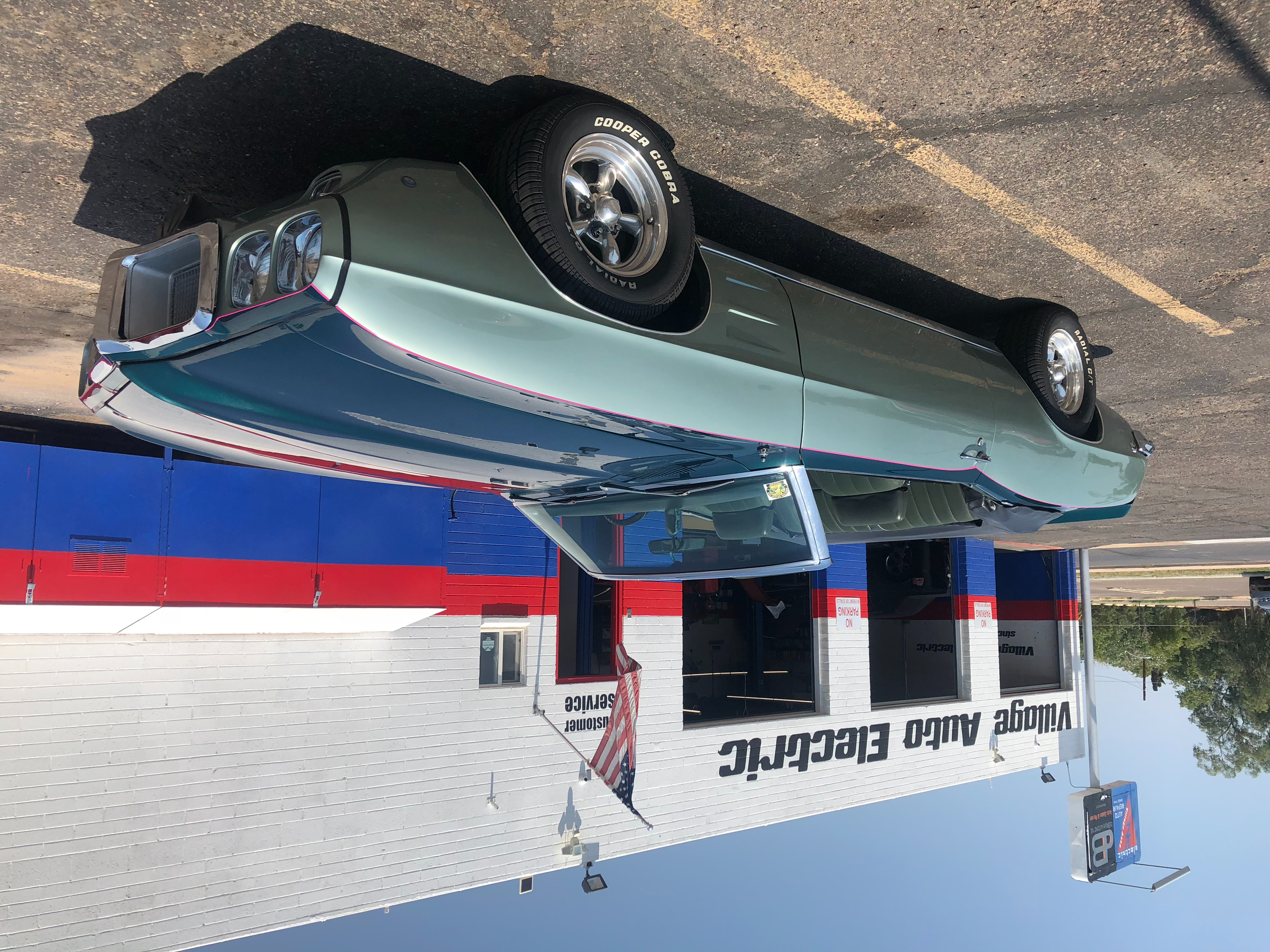
A stall is not just an inconvenience at a red light or in a Mesa parking lot. It is your vehicle telling you that, for a moment, it could not maintain the air, fuel, spark, compression, or electrical control it needs to keep running. Why car stalls is not always a simple question, because the same symptom can come from a worn mechanical part, a failing sensor, a fuel-delivery problem, or a voltage issue hidden in the wiring.
The details matter. Does it stall only when warm? Only at idle? When turning the wheel, switching on the A/C, hitting a bump, or coming to a stop? A correct repair begins with those clues and with testing the system that is actually failing. Replacing parts until the problem disappears is expensive guesswork. A proper diagnosis finds the cause.
Why Car Stalls at Idle
An engine needs a carefully controlled amount of air to idle. On many vehicles, the computer manages idle speed through an electronic throttle body or an idle air control system. Carbon buildup around the throttle plate, a sticking idle air control valve on older applications, or an air leak after the mass airflow sensor can make the idle unstable. The engine may dip, shake, recover, and then die when you stop.
Vacuum leaks are especially common on aging vehicles. A cracked hose, split intake boot, leaking intake gasket, or disconnected line allows air into the engine that the computer did not measure. The result can be a lean mixture, rough idle, high idle, or stalling. Arizona heat can be hard on rubber hoses and plastic intake components, so a quick visual check is useful, but it is not enough to rule the problem out. Small leaks often require smoke testing or live scan-tool data to confirm.
A dirty throttle body is a legitimate cause, but it is not the answer to every idle stall. Some vehicles need an idle relearn procedure after cleaning or battery disconnect. Others have an underlying sensor, fuel, or wiring issue that cleaning will not fix.
Why a Car Stalls While Driving
A vehicle that dies while moving deserves prompt attention. Losing engine power can also reduce power steering assist and brake assist, creating a safety concern even when the car can be restarted.
Fuel delivery is one possible cause. A weak fuel pump may provide enough pressure for light driving but fall behind during acceleration, uphill driving, or hot operation. A restricted fuel filter on vehicles equipped with serviceable filters, a failing fuel-pump control module, poor pump wiring, or a damaged connector can produce similar symptoms. The key is to verify fuel pressure, volume, electrical supply, and control command rather than condemning the pump based on a single symptom.
Ignition failures can also shut an engine down. A failing crankshaft position sensor may lose its signal as it heats up, causing the engine to stall and then restart after cooling. A camshaft sensor, ignition coil, worn spark plugs, damaged coil boot, or ignition wiring problem can create misfires severe enough to kill the engine at low speed. Sometimes the check engine light comes on. Sometimes it does not, especially if the failure happens too quickly or too intermittently to set a dependable code.
Electrical power must stay stable while the engine runs. A loose battery terminal, corroded ground, failing alternator, bad fusible link, or worn ignition-switch circuit can momentarily interrupt voltage to the engine computer, fuel system, or ignition system. If the dash lights flicker, accessories cut out, the radio resets, or warning lights appear just before the stall, electrical testing moves high on the list.
The Symptoms Point to the System
The way a vehicle stalls can narrow the diagnostic path. It does not prove the repair, but it helps prevent wasted time.
If the engine stalls when coming to a stop but restarts immediately, idle airflow control, throttle-body contamination, torque converter clutch operation, and vacuum leaks are all worth checking. An automatic transmission with a torque converter clutch that remains applied can make the vehicle feel as if a manual-transmission car stopped without pushing in the clutch.
If the engine cranks normally after it stalls but will not restart until it sits for several minutes, heat-sensitive sensors, fuel-pump electrical circuits, and ignition components become stronger possibilities. If it stalls over bumps, inspect for loose connections, damaged wiring, poor grounds, or a failing relay. If it dies when the A/C comes on, the added engine load may expose an idle control issue, but the A/C compressor or its control circuit may also be involved.
A stall paired with a battery light has its own warning. The battery light commonly turns on after the engine dies because the alternator is no longer charging. That does not automatically mean the alternator caused the stall. Testing must establish whether charging voltage dropped first or whether the engine simply stopped for another reason.
Modern Cars Can Stall Without a Simple Trouble Code
Many drivers expect a check engine light to identify the exact failed part. Diagnostic codes are useful, but they are starting points, not repair instructions. A code for a lean condition does not automatically mean an oxygen sensor is bad. A throttle-related code does not prove the throttle body needs replacement. Low voltage, wiring resistance, a vacuum leak, fuel pressure loss, or a computer communication problem can lead to codes that appear unrelated to the actual cause.
Modern vehicles depend on a network of modules, sensors, actuators, and data communication. A weak ground shared by several circuits can create strange, intermittent symptoms. So can water intrusion in a connector, a chafed harness, an incorrectly installed aftermarket alarm or radio, or a module that needs programming after prior repairs.
That is why difficult stalling complaints require more than a code reader. A technician may need to examine freeze-frame information, scan live sensor data, monitor fuel trims, test voltage drops under load, check waveform signals, verify fuel pressure during the failure, and inspect module communications. The vehicle has to be tested in the conditions where it fails whenever possible.
What You Can Check Before Scheduling Diagnosis
Start with the basics, but do not create a new problem while looking for the old one. Note when the stall occurs, how long the vehicle has been driven, outside temperature, fuel level, warning lights, and whether it restarts immediately. Those observations can save diagnostic time.
Look for obviously loose battery terminals, damaged intake tubing, disconnected vacuum hoses, and signs of fluid leaks. If the check engine light is flashing, avoid driving the vehicle except to get it safely repaired. A flashing light can indicate an active misfire capable of damaging the catalytic converter.
Do not keep driving a vehicle that stalls in traffic, loses power steering, smells strongly of fuel, overheats, or has repeated electrical shutdowns. And be cautious with internet advice that recommends replacing a crank sensor, fuel pump, throttle body, or alternator because the symptoms sound familiar. Similar symptoms do not make identical failures.
Accurate Diagnosis Costs Less Than Guessing
A paid diagnostic process is often the least expensive path when a stall is intermittent or another shop has already replaced parts without solving it. The goal is not to sell the most parts. It is to prove what failed, identify why it failed when possible, and make a repair that lasts.
Village Auto Electric has handled difficult electrical and drivability problems for Mesa-area drivers since 1949, including the problems that return after a battery, alternator, fuel pump, sensor, or module was replaced elsewhere. We will NEVER replace parts you do not need. Whether the cause is fuel delivery, ignition, engine management, charging voltage, wiring, or a module issue, the right answer comes from testing the vehicle, not guessing at it.
A car that stalls may have a straightforward fix, or it may be the first visible sign of a deeper electrical or control-system problem. Bring clear symptom details, let the system be tested properly, and insist on an explanation that connects the test results to the repair. That is how you get back to a vehicle that stays running when it matters.

Comments