


Charging System Repair That Finds the Real Fault
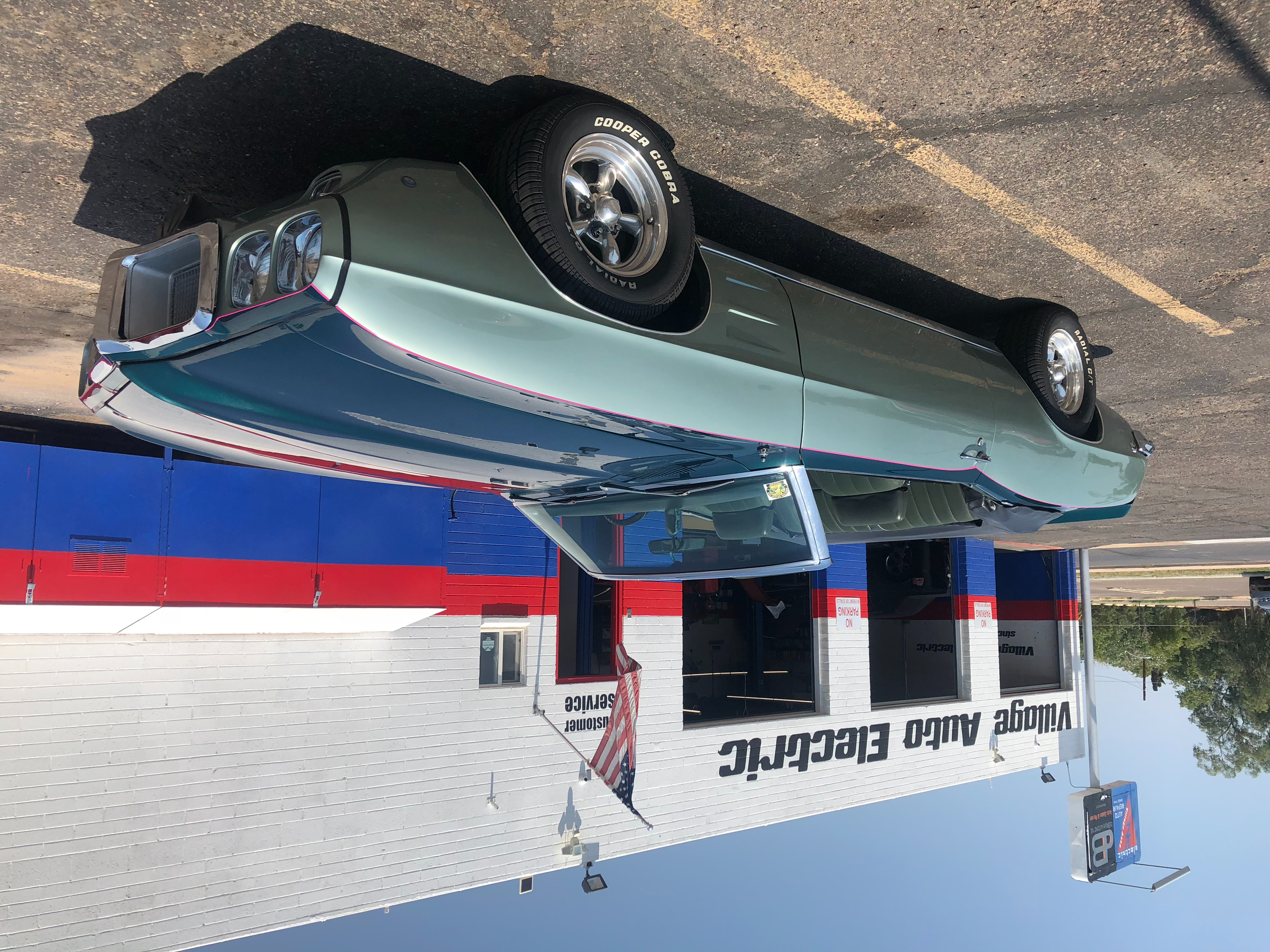
A battery light that comes on during the drive home is not a suggestion to buy a battery. It is a warning that the vehicle may not be maintaining the electrical power it needs. Proper [charging system repair](https://www.vaemesa.com/automaintenance) starts by proving what has failed and why, so you do not pay for an alternator, battery, cable, or computer that was never the real problem.
For Mesa and East Valley drivers, that distinction matters. Arizona heat is hard on batteries, but heat alone does not explain every no-start, dim-headlight, or repeat battery failure. A vehicle can leave a parts store with a new battery and still have a charging problem waiting for the next commute.
What the Charging System Actually Does
The charging system keeps the battery charged while the engine is running and supplies power for the electrical loads that operate every day. Its main components are the battery, alternator, voltage regulator, drive belt, wiring, connections, and the vehicle computers that monitor or control charging on many late-model vehicles.
The battery starts the engine and stabilizes voltage. The alternator replaces the energy used during starting and supports headlights, A/C blower motors, fuel injection, cooling fans, radios, and every other electrical load. The regulator controls alternator output so voltage stays within the range the vehicle was designed to handle.
On older vehicles, diagnosis may focus on the alternator and external wiring. On newer domestic and foreign vehicles, charging output can be commanded by the PCM, BCM, or battery monitoring sensor. That means an alternator can test good on a bench yet fail to charge correctly in the vehicle. It also means installing a replacement alternator without testing the control circuit can waste money.
Signs You May Need Charging System Repair
The battery warning light is the most obvious sign, but it is not the only one. You may notice headlights that brighten and dim with engine speed, a slow crank after driving, flickering dashboard lights, or accessories that act erratically. Some drivers smell hot rubber from a slipping belt or hear a bearing noise near the alternator.
A vehicle may also stall after the battery light comes on. Once alternator output drops off, the engine is running on stored battery power. When voltage falls low enough, fuel injection, ignition, modules, and electric steering systems may stop operating correctly.
Not every symptom points directly to an alternator. Corroded battery terminals can restrict current flow. A loose ground can create low-voltage trouble codes and strange electronic behavior. A worn belt tensioner may allow the belt to slip only when the A/C is on or when the engine is hot. A battery with an internal defect can look normal until it is placed under load.
That is why a quick voltage reading is only a starting point, not a diagnosis.
Why Replacing the Alternator Is Not Always the Fix
A common mistake is treating charging problems as an alternator-only repair. Alternators do fail, especially in high-heat conditions, but they are one part of a connected system. If an alternator was replaced recently and the battery light returned, there may be more to the story.
The replacement unit itself could be defective. Remanufactured alternators vary in quality, and some fail immediately or produce unstable output. But the underlying issue may be a damaged charge cable, excessive voltage drop at a connection, poor engine ground, a blown fusible link, belt slip, or a computer-controlled charging fault.
There is also a trade-off with low-cost parts. A less expensive alternator can make sense for some older vehicles, but repeated labor and repeated breakdowns erase the savings fast. The right recommendation depends on the vehicle, the repair history, how long you plan to keep it, and what testing shows. A reliable shop should explain those options clearly rather than pushing the most expensive part by default.
How We Diagnose a Charging Fault
Accurate charging system repair requires testing under the conditions where the problem occurs. An alternator that charges at idle with no accessories on may fail when the headlights, blower motor, rear defroster, and cooling fans are operating. A connection can pass a visual inspection and still fail under load.
At Village Auto Electric, diagnosis begins with the complaint and the vehicle history. Did the battery light come on only after a recent battery replacement? Does the problem happen after a long freeway drive, at idle in traffic, or after the vehicle sits overnight? Has another shop already installed an alternator or battery? Those details help direct testing, but they never replace it.
Technicians then verify battery condition, starting voltage, alternator output, voltage regulation, belt operation, cable integrity, and ground paths. Voltage-drop testing is especially valuable because it measures resistance in the circuit while current is flowing. A cable can look clean from the outside yet have corrosion hidden inside the terminal or under insulation.
On computer-controlled systems, scan data and circuit testing help determine whether the alternator is receiving the correct command and whether the vehicle recognizes its output. Some vehicles require battery sensor service procedures or module programming after certain repairs. Skipping those steps can leave a warning light on or cause the system to charge incorrectly.
We will NEVER replace parts you do not need. Paid professional diagnostics are how we identify the cause before the repair begins.
Battery Problems and Charging Problems Are Different
A dead battery does not automatically mean a bad charging system. The battery may be old, damaged by heat, or discharged by a parasitic draw while the vehicle is parked. A glove box light, failing module, aftermarket alarm, radio issue, or accessory that does not shut down can drain a healthy battery overnight.
The opposite is also true: a new battery cannot correct an alternator that is undercharging. Repeated jump-starting can further weaken a battery, and low voltage can trigger misleading warning lights for ABS, traction control, airbag, power steering, and transmission systems.
When a vehicle has both a dead battery and charging symptoms, the shop needs to separate the failures. First, confirm whether the battery can accept and hold a charge. Then verify charging performance and check for unwanted key-off draw if the battery continues to go dead after the charging system checks out. This is root-cause work, not parts swapping.
When You Should Stop Driving
If the battery warning light is on while the engine is running, do not assume you can drive for days. Turn off unnecessary electrical loads, avoid shutting the engine off until you reach a safe location, and arrange for testing as soon as possible. The remaining battery reserve may last only a short distance, particularly at night with lights and A/C running.
Stop driving immediately if you smell burning insulation or rubber, see smoke, hear severe belt noise, or notice the engine temperature rising. A failed belt can affect more than the alternator on many engines. It may also stop the water pump, leading to rapid overheating.
If the issue is only a slow crank in the morning, prompt testing is still the smart move. Catching a weak battery connection or declining alternator early is usually less disruptive than getting stranded in a parking lot or on the way to work.
A Repair That Holds Up Starts With the Cause
The goal is not simply to make the battery light go away for the afternoon. The goal is to restore correct charging voltage, reliable current flow, and proper system control so the vehicle starts and operates as it should.
That may mean replacing a failed alternator. It may mean repairing a cable, cleaning and securing a ground, correcting belt tension, replacing a damaged battery, or diagnosing a computer-controlled charging command. The repair follows the evidence.
If your vehicle has a repeat dead battery, battery warning light, dim lights, or an alternator that another repair did not solve, bring the problem in before it becomes a roadside failure. A clear answer is worth more than another guess.

Comments