


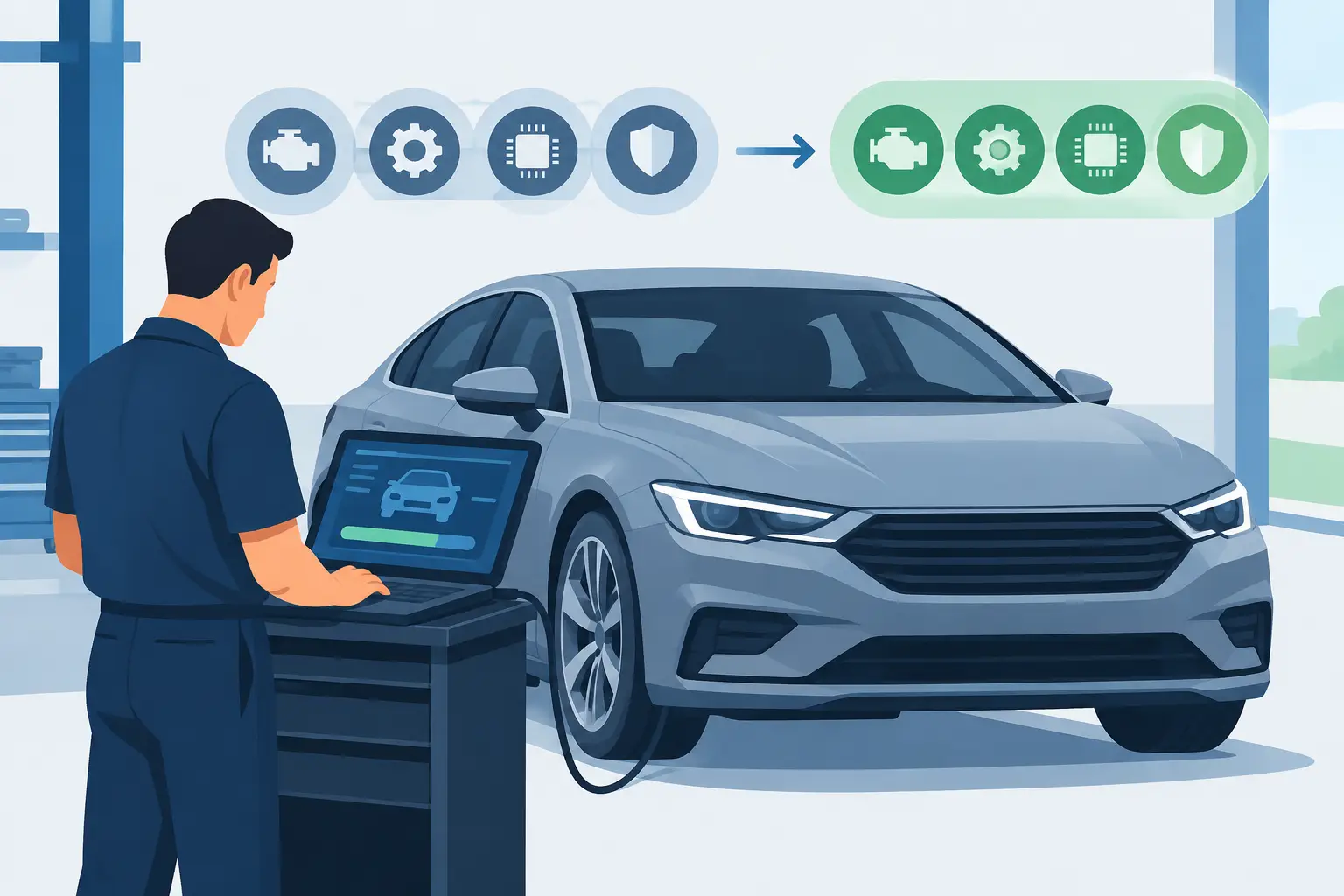
What a Vehicle Programming Service Really Fixes
A vehicle programming service is not a magic reset button. It is a precise repair procedure used when a vehicle computer, security key, module, or electronic system needs the correct software and configuration to operate. Done for the right reason, programming can restore a no-start condition, clear a module communication problem, match a replacement computer to the vehicle, or make a new key work. Done without diagnosis, it can waste money and leave the original problem untouched.
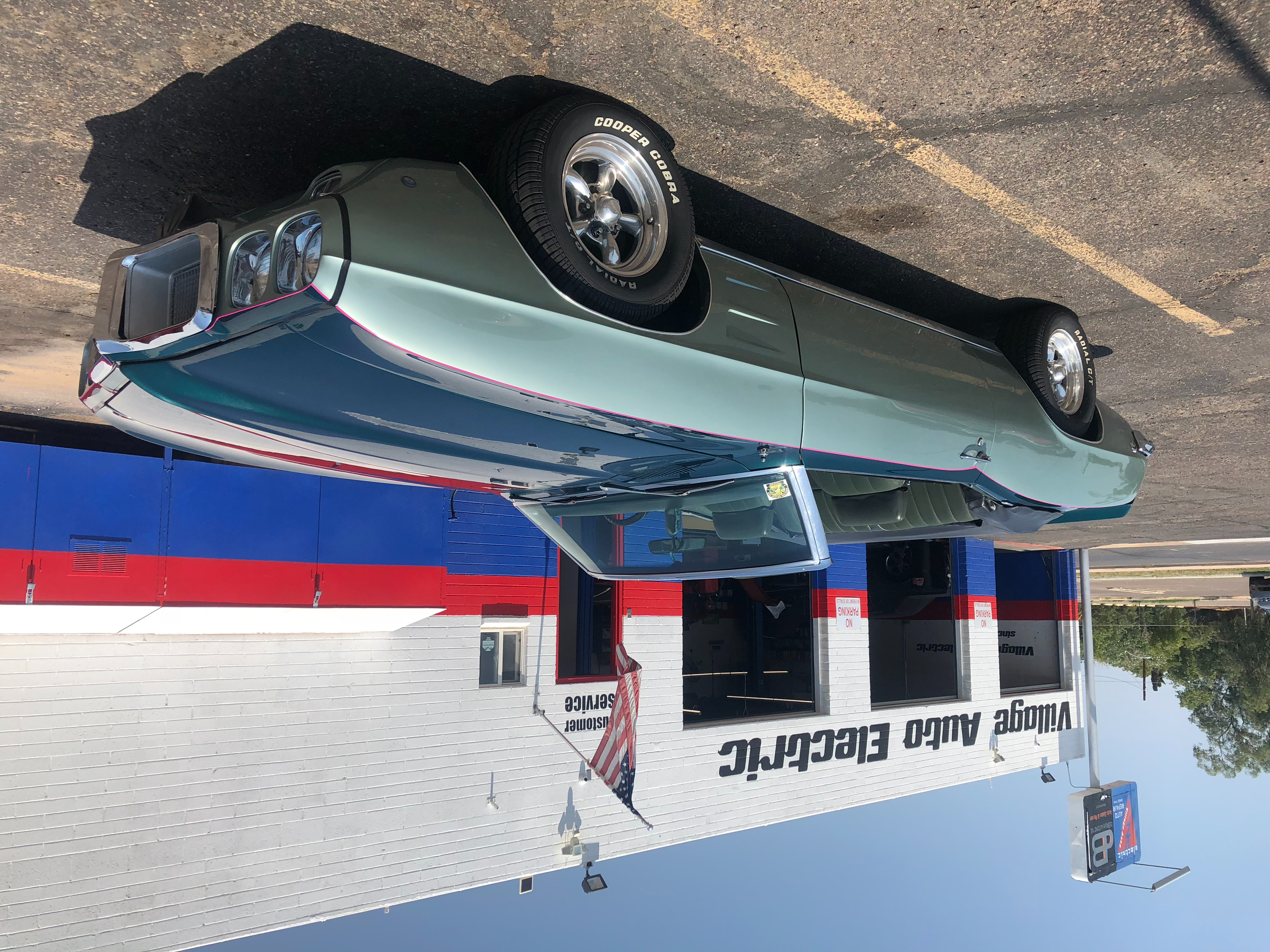
At Village Auto Electric, we see the difference every day. A customer may be told they need a new PCM, BCM, ignition switch, or battery after a warning light or no-start issue. Sometimes that part is truly bad. Often, the real cause is a failed power or ground circuit, damaged wiring, low system voltage, a network communication fault, or a module that was never properly tested. We will find the cause before recommending programming or replacement.
When a Vehicle Programming Service Is Actually Needed
Modern vehicles contain multiple computers, often called modules. The powertrain control module manages engine and transmission operation. The body control module may control locks, lighting, power windows, security functions, and other accessories. ABS, airbag, instrument cluster, radio, steering, and climate-control systems can each have their own dedicated electronics.
These modules do not always work right out of the box. A new or used replacement module may need vehicle-specific software, calibration files, VIN information, option configuration, security initialization, or relearn procedures before it can communicate correctly with the rest of the vehicle.
Programming may be appropriate when a module has failed internally and has been verified as defective, when a factory software update addresses a known operating problem, or when a replacement module must be configured to the vehicle. Key and immobilizer programming is also required when adding keys, replacing certain security-related components, or correcting a key recognition issue.
The key word is appropriate. A scan tool can report module-related fault codes, but codes do not automatically prove that a module needs to be programmed or replaced.
Programming Cannot Repair a Broken Circuit
A vehicle computer needs clean battery voltage, dependable grounds, proper network communication, and valid sensor inputs. If any of those basics are missing, programming may fail outright. Even if the programming process completes, the original symptom can remain.
Consider a vehicle that will not start and displays a theft or security warning. The problem could be an unprogrammed key. It could also be a weak battery, a failing ignition antenna, corroded wiring, a blown fuse, a communication issue between modules, or a PCM that is not waking up. Reprogramming a key before testing those circuits is guesswork.
The same is true when a replacement PCM will not communicate. The PCM may be defective, but it may also lack constant power, ignition power, ground, or a functioning data network connection. Installing another computer without proving those circuits can turn one repair into a string of expensive parts swaps.
Arizona heat makes this especially relevant. High temperatures are hard on batteries, connectors, insulation, and electronic components. A battery that appears to crank the engine can still drop voltage enough during testing or programming to create false codes, module resets, or unsuccessful programming sessions. Proper voltage support is not optional.
What accurate diagnostics look like
A proper diagnosis begins with the complaint, not with a programming menu. The technician verifies the symptom, performs a complete vehicle scan, checks fault-code details and live data, and identifies which modules are communicating and which are not. From there, power, ground, fuse, relay, connector, and network circuits are tested as needed.
That process takes time because electronics problems are rarely solved by one code description. A code may point to the circuit affected, not the component that failed. For example, a lost-communication code could be caused by a bad module, but it can also result from a shorted sensor, water intrusion, a damaged CAN bus wire, or another module pulling down the network.
Paid professional diagnostics protect the customer. They create a repair plan based on test results instead of assumptions. We will NEVER replace parts you do not need simply because a scan tool produced a code.
Common Problems That May Need Programming
A vehicle programming service is often part of a larger electrical repair. Common situations include PCM or engine computer replacement, BCM replacement, immobilizer and transponder key programming, module software updates, and setup after certain ABS, airbag, steering, or transmission repairs.
Replacement radios and infotainment units can also require anti-theft coding or vehicle configuration. Some vehicles need tire-size, axle-ratio, or option settings entered after module replacement. Others require crankshaft position, throttle body, transmission adaptive, window, steering-angle, or battery-monitoring relearns after repairs.
Not every relearn is the same as programming. A relearn may teach an existing module a new baseline after a repair. Programming generally involves installing or updating software and configuration information. Both procedures require the right equipment, correct vehicle information, and stable electrical voltage.
Used modules deserve special caution. A used computer can appear to be a bargain, but many vehicles restrict how modules can be transferred. Some units are VIN-locked, contain security information from the donor vehicle, cannot be reliably reprogrammed, or carry unknown internal damage. In other cases, a quality used module is a practical option. It depends on the vehicle, the module, the available software, and whether the original failure has been confirmed.
Why the Right Equipment Is Only Part of the Job
Factory-level scan tools, programming interfaces, subscriptions, and battery maintainers matter. So do current service information and correct calibration files. But equipment does not replace experience.
A programming interruption can create a serious problem. If battery voltage falls, communication drops, the wrong file is selected, or an underlying network fault is ignored, a module can become inoperative. That is why the vehicle should be evaluated before programming begins and supported with proper voltage throughout the process.
The technician also needs to know when not to program. If a module is wet, overheated, intermittently losing power, or failing to communicate because of external wiring damage, programming may not be the next step. Repairing the electrical foundation first is the responsible approach.
Questions to ask before approving the repair
Before authorizing module replacement or programming, ask whether the module itself was tested, whether power and grounds were verified, and whether the vehicle network was checked. Ask if the replacement part is new, remanufactured, or used, and whether it can be programmed to your VIN and options.
You should also ask what happens if programming does not resolve the symptom. An honest shop will explain the diagnostic findings, identify any remaining possibilities, and avoid promising that software will fix a mechanical or wiring failure. Clear answers matter, especially when a repair involves an expensive computer.
Programming for Shops and Vehicle Owners
Many general repair shops handle maintenance and common mechanical repairs exceptionally well but refer complicated electrical cases when a vehicle has multiple warning lights, intermittent no-starts, recurring battery drains, or modules that will not communicate. That referral process is smart. It prevents the customer from paying for repeated guesses.
For drivers, the practical point is simple: do not assume the dealership is the only place capable of programming, and do not assume programming is required because someone says a computer is involved. A specialist can determine whether the problem is software, a failed module, an electrical circuit, a key-security issue, or something else entirely.
That is the value of a repair-first electrical shop. The goal is not to sell a module. The goal is to return the vehicle with the system operating as it should, at a fair cost, with a reason you can understand.
If your vehicle has been through batteries, keys, modules, or repeated repairs without a clear answer, bring the symptoms and repair history with you. The details of when the problem occurs can be as useful as the fault codes, and they are often where the real diagnosis begins.

Comments